Blog—JUL 14, 2026
The Art of Casual Living with Hudson Wilder
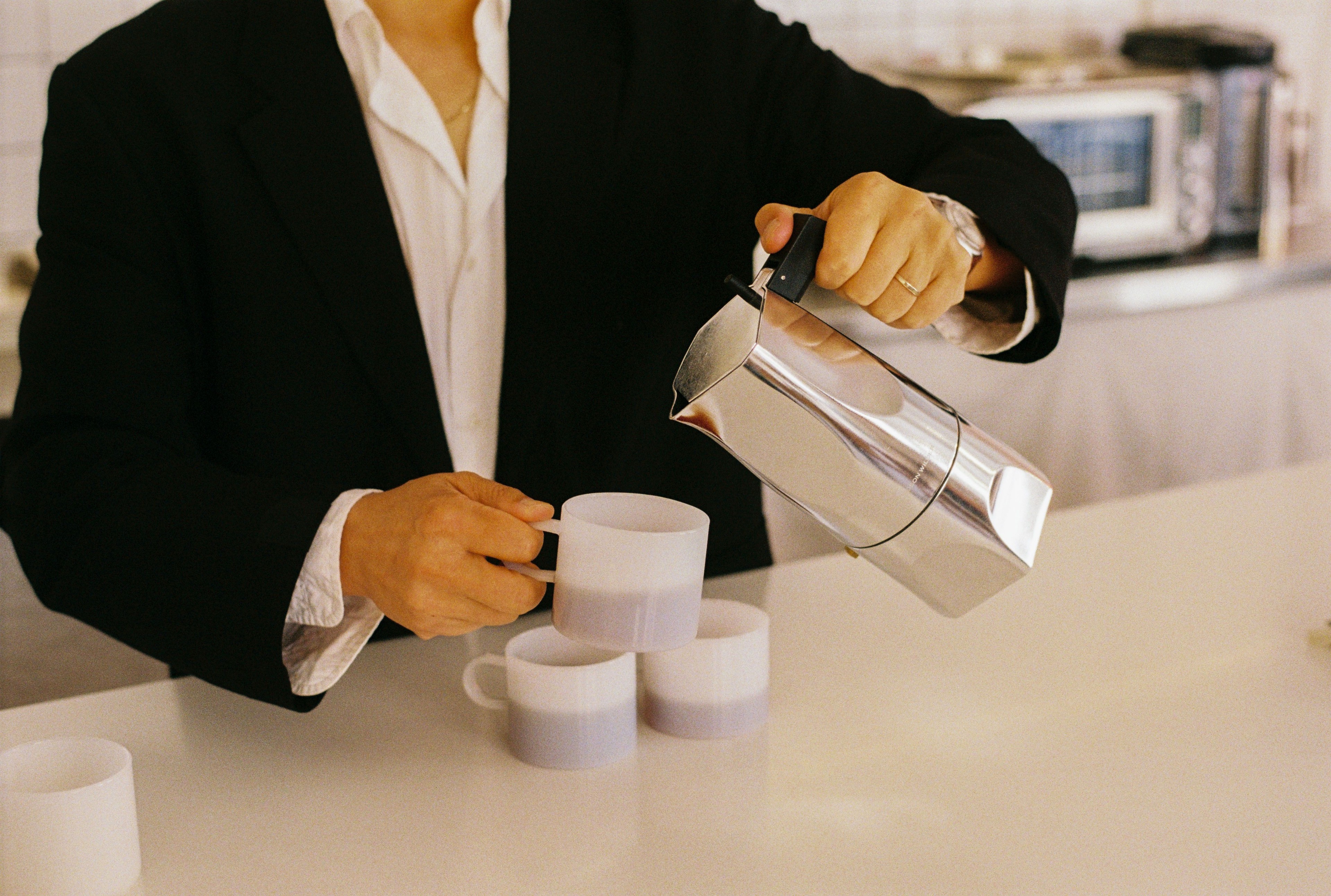
There are stores you visit to buy something, and then there are places you visit simply to experience them. Hudson Wilder belongs firmly in the latter.
Located in the heart of Brooklyn's DUMBO Design District, Hudson Wilder is more than a design studio or concept store. It's a carefully curated world where furniture, objects, music, books, coffee, and conversation come together to celebrate what his founder, Conway Liao, calls The Art of Casual Living. Every detail has been considered—not to impress, but to invite people to slow down, connect, and appreciate the rituals of everyday life.
We sat down with Conway to talk about the story behind Hudson Wilder, the philosophy that shapes every object and experience, and why designing for connection has always been at the heart of the brand.
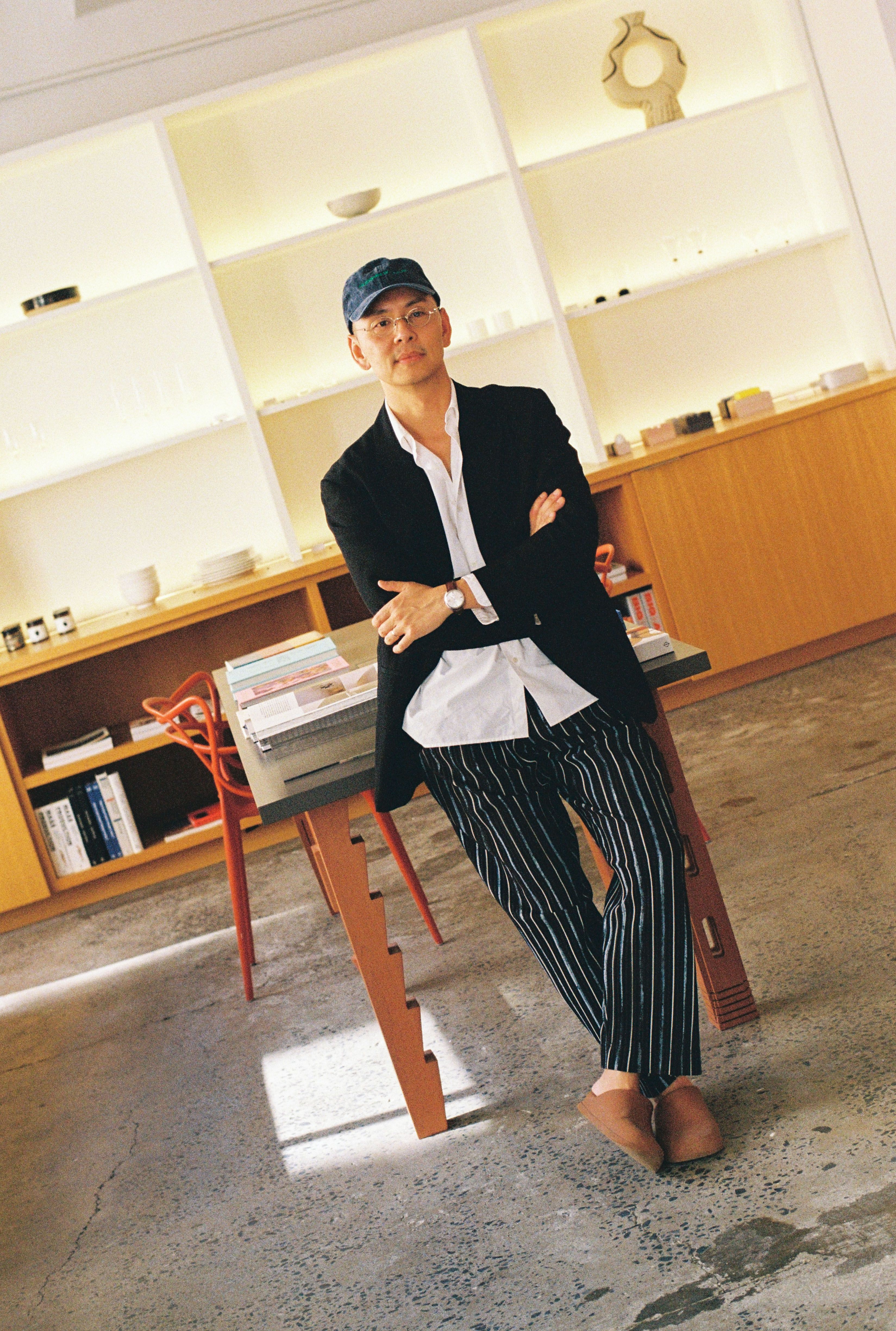
What is Hudson Wilder? How did the idea for the studio and concept store first come about, and what was the original vision?
“Hudson Wilder is a New American design brand and creative studio built around the idea that the objects we live with shape the way we gather, host, and connect. We design products, create experiences, and build spaces that encourage people to slow down and enjoy everyday life.
The brand began almost by accident. In the summer of 2015, I stumbled upon the estate sale of an architect’s home in Hudson, New York. Walking through the house felt like stepping into someone’s beautifully edited life. There wasn’t one defining object, it was the conversation between everything: vintage furniture beside contemporary pieces, books stacked casually, ceramics collected over decades, things that had clearly been lived with and loved. That experience changed how I thought about design. I realized it wasn’t about individual products, it was about creating an atmosphere and a way of living.
Hudson Wilder was born from that moment. Our mission has remained remarkably consistent: to create thoughtful objects that bring people together. Whether it’s a drinking glass, a table, or a gathering in our studio, we’re ultimately designing for connection. The products are simply the starting point.”
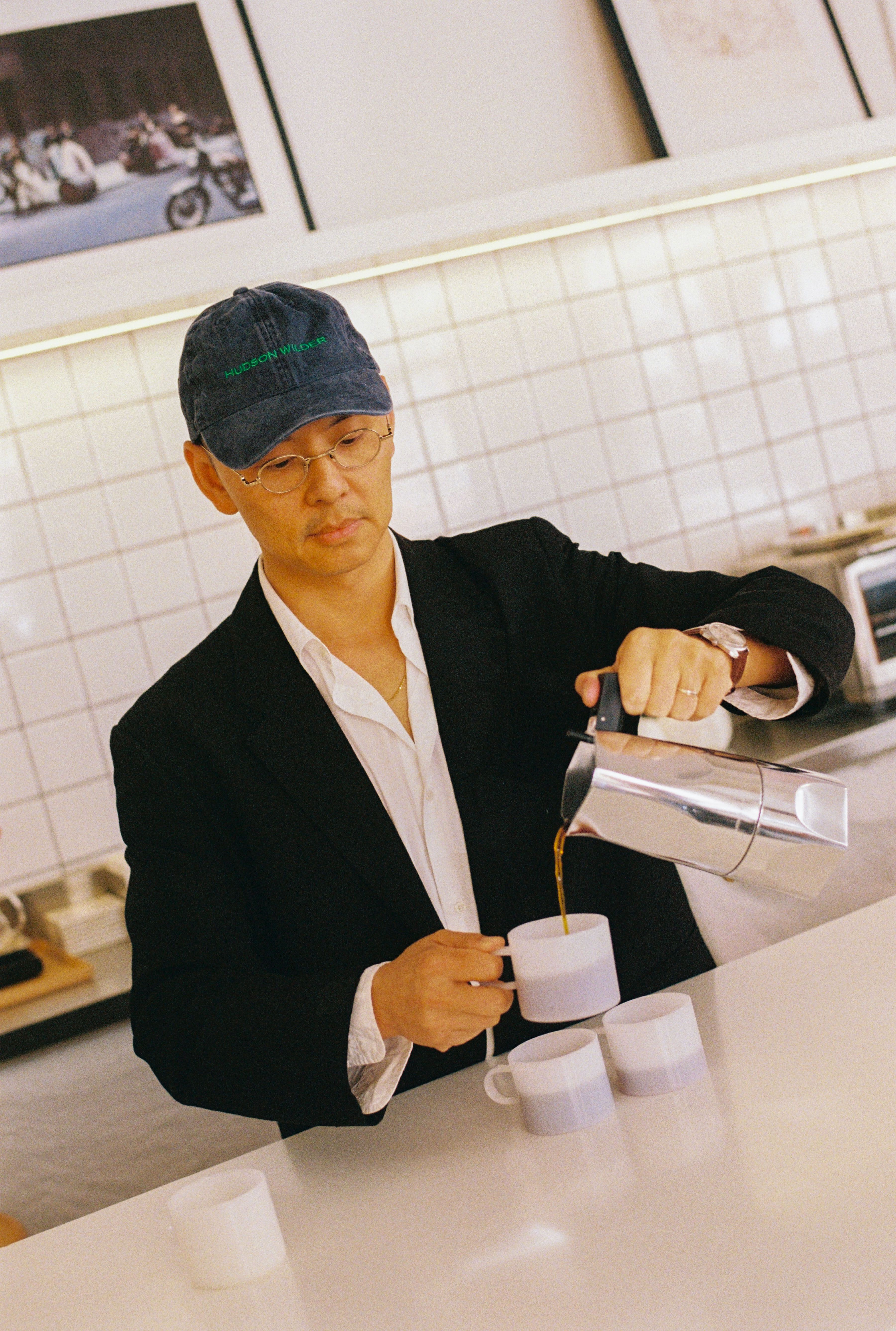
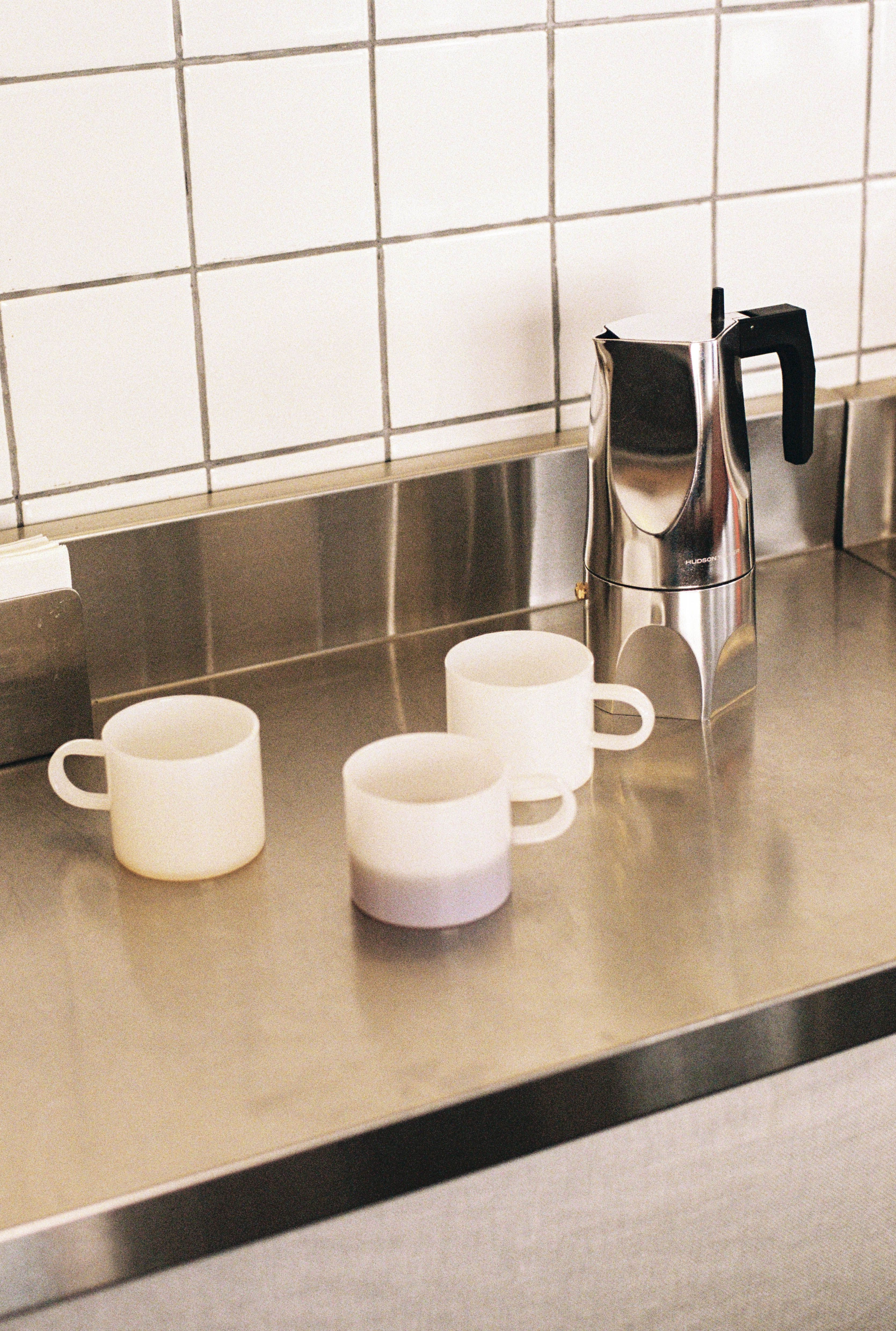
Walking into Hudson Wilder feels like entering a complete world—the music, the objects, the furniture, even the atmosphere all feel carefully considered. How do you curate that experience, and what guides your selection of products, including the pieces you design yourselves?
“The Hudson Wilder experience is really a glimpse into our universe. Every detail… from the music playing to the books on the shelves, the scent in the room, the furniture, and the objects - is intentional. We want people to feel something before they even begin looking at products.
Our philosophy is captured in our tagline: The Art of Casual Living. To me, living well isn’t performative. It’s effortless. It’s beautiful because it feels natural, not because it’s overly styled. The most memorable homes are the ones that feel lived in, where old and new coexist comfortably and nothing feels too precious. That idea guides everything we design. Our work balances opposites: old informing the new, refined alongside everyday, elevated without ever becoming fussy. We embrace what I think of as “perfectly imperfect.” Luxury today isn’t about excess, it’s about comfort, ease, and attention to detail.
The brands we carry share those same values. Many are friends, collaborators, or designers whose work we’ve admired for years. Rather than stocking products, we’re introducing voices that contribute to the larger conversation we’re trying to create. Every object earns its place because it adds something meaningful to the world we’re building.”
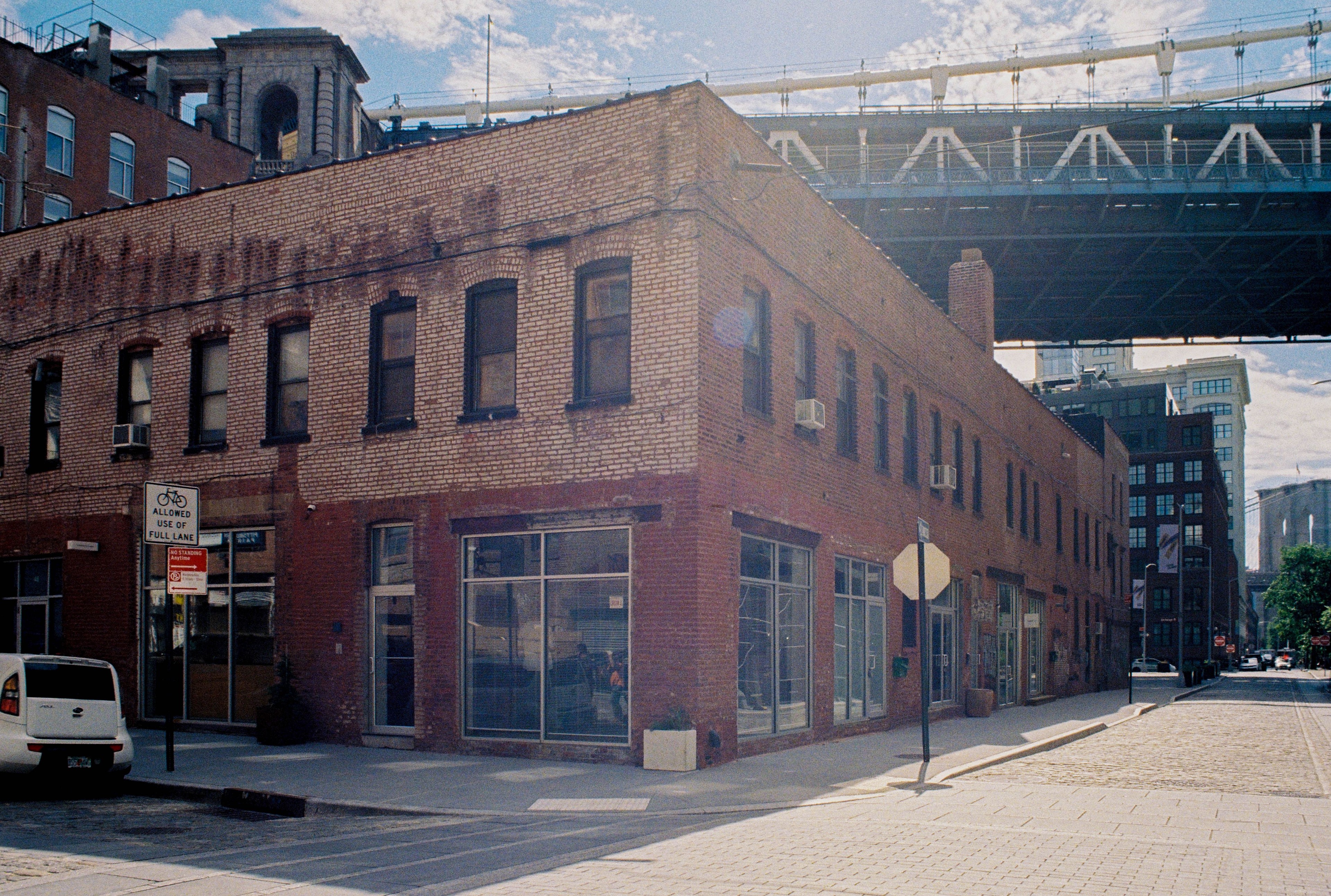
Your space in DUMBO is incredible. How did you end up in this location, and how has the neighborhood influenced Hudson Wilder's identity and the way people experience the store?
“In many ways, our space found us. It was meant to be that way.
It’s an extraordinary location with an incredible history. Long after moving in, I learned from Helena Christensen, who stopped by our Studio–Showroom–Café, that our exact location (the corner of Plymouth and Pearl) had been the setting for one of Peter Lindbergh’s most iconic fashion shoots. It was one of those moments that made me realize the building had already been part of New York’s creative story long before Hudson Wilder arrived.
Since opening, we’ve tried to contribute to the next chapter of that story.
When we moved into DUMBO, I saw the neighborhood’s potential as a home for design in the same way SoHo became known for art or the Garment District for fashion. I began using the name DUMBO Design District because I believed the creative community here deserved its own identity. In 2025, DUMBO was officially recognized as a design district, something I’m incredibly proud to have helped champion.
Today, our studio has become a gathering place for designers, artists, architects, founders, chefs, and curious neighbors. The neighborhood has shaped us just as much as we’ve helped shape it. More than opening a store, we helped build a creative ecosystem where ideas, collaborations, and friendships continue to emerge and grow.”
Hudson Wilder isn't just about products—you also design experiences. What does "designing an experience" mean to you, and how does that philosophy shape the projects you take on?
“For us, products are only one expression of design. Experiences are where those objects come to life. Community has always been at the heart of Hudson Wilder. Designing an experience means creating opportunities for people to meet, discover new ideas, and form unexpected connections. Whether it’s an exhibition, a dinner, a book launch, a group run, a listening session, or a panel discussion, we’re really designing moments that bring different creative communities together.
Those experiences naturally reflect my own interests. I’m inspired by design, fashion, architecture, food, hospitality, photography, cycling, running, and contemporary culture. Hudson Wilder gives me a platform to bring those worlds into conversation with one another.
When people come into our space, I want them to leave feeling like they’ve encountered something they didn’t expect… whether that’s a new designer, a new idea, or a new friend. That’s what experience design means to me. It’s less about producing events and more about creating the conditions for culture and community to happen.”
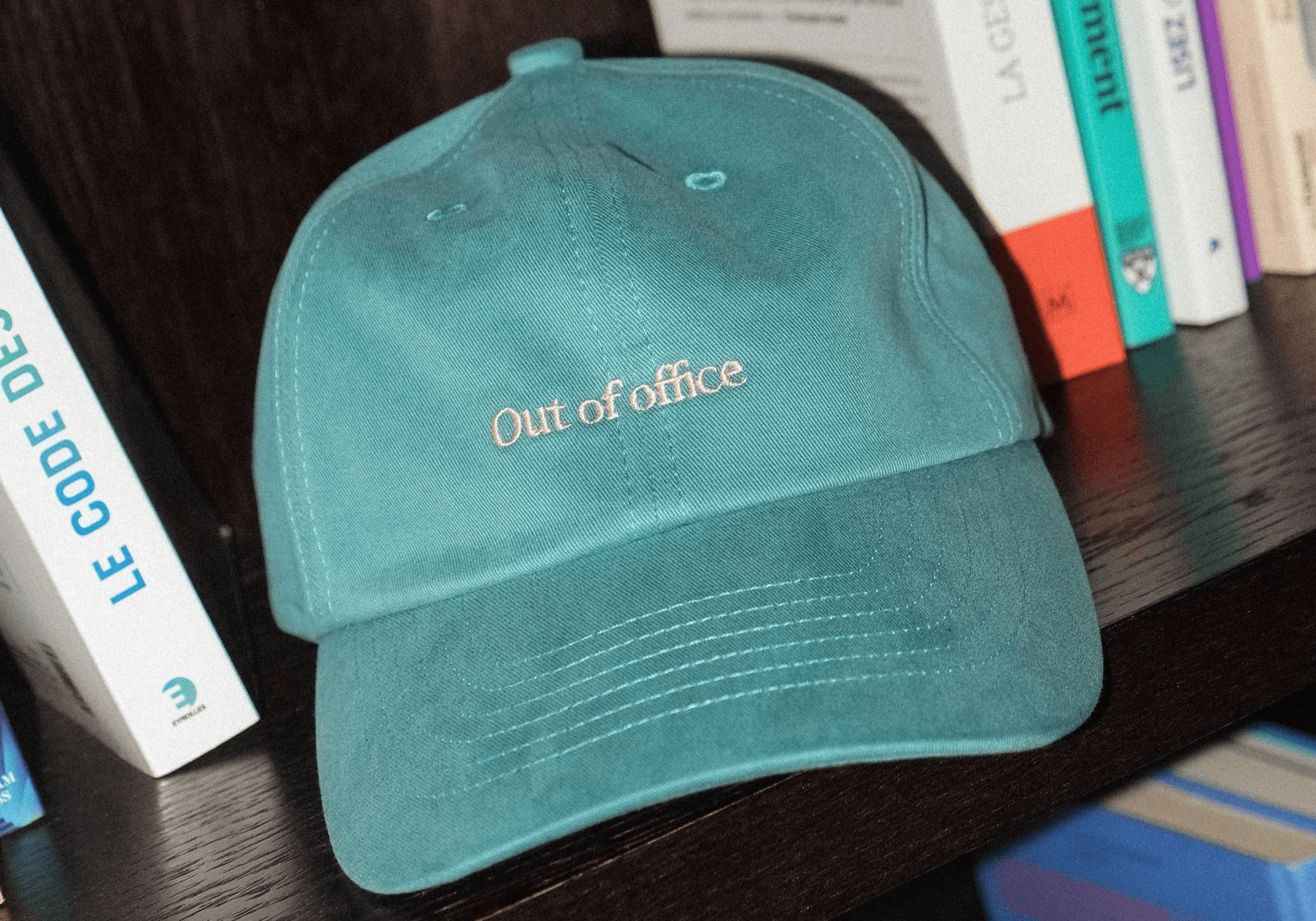
From your merchandise and caps to the objects you create, everything feels intentional. Beyond the products themselves, what ideas, values, or emotions are you hoping people take away when they bring a piece of Hudson Wilder home?
“More than anything, I hope people take away a sense of balance.
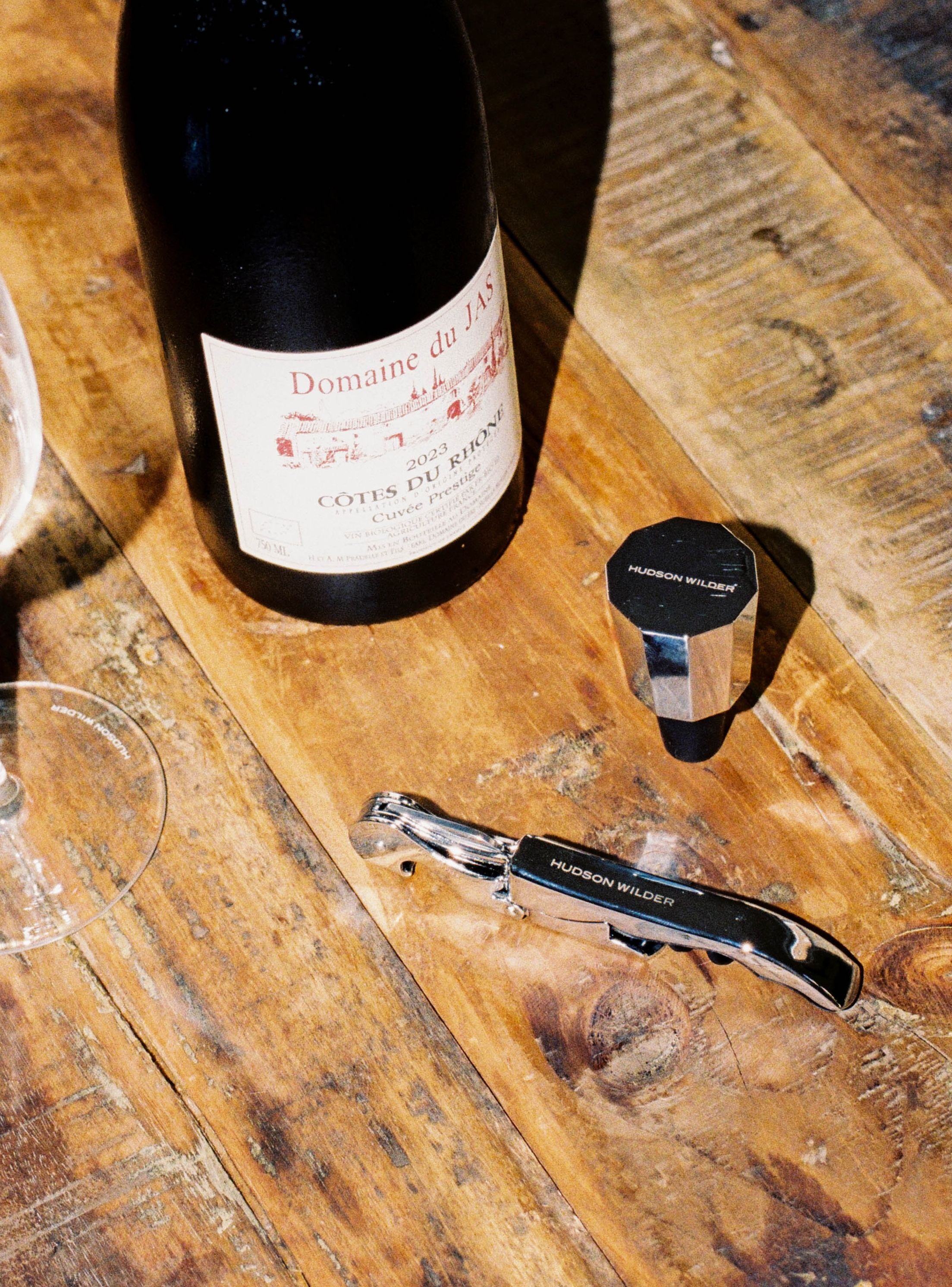
Our work encourages people to be present, to appreciate small rituals, and to recognize that the everyday deserves just as much care as special occasions. A drinking glass, a butter dish, or even a cap can become part of someone’s daily rhythm. Those seemingly ordinary moments are often the ones we remember most.
I also hope people feel connected to something larger than a brand. Hudson Wilder is part of a global creative community, and when someone brings one of our pieces into their home, they’re joining that community.
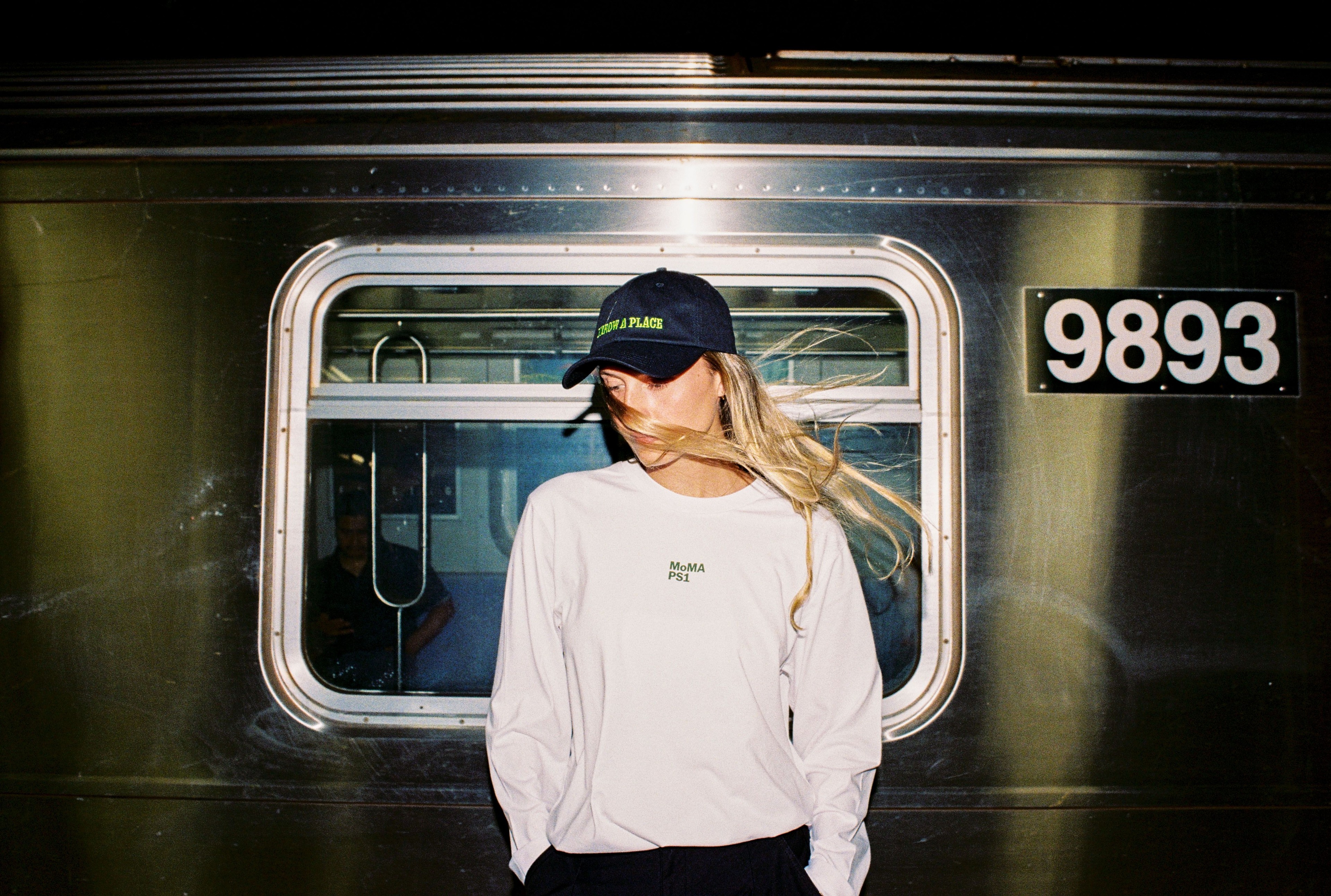
I wear our cap almost every day when I travel. It’s become an unexpected passport. I’ve had strangers stop me in cities around the world to tell me they know Hudson Wilder, and those conversations have turned into genuine friendships. That’s incredibly meaningful to me.
In the end, that’s what we’re really designing… it’s not just objects, but connections. If our work helps someone feel more at home, more inspired, or more connected to other creative people, then we’ve succeeded.”