Blog—NOV 18, 2026, by Frederic Jonsson
Codea on borrowing, joking, and making things with your hands
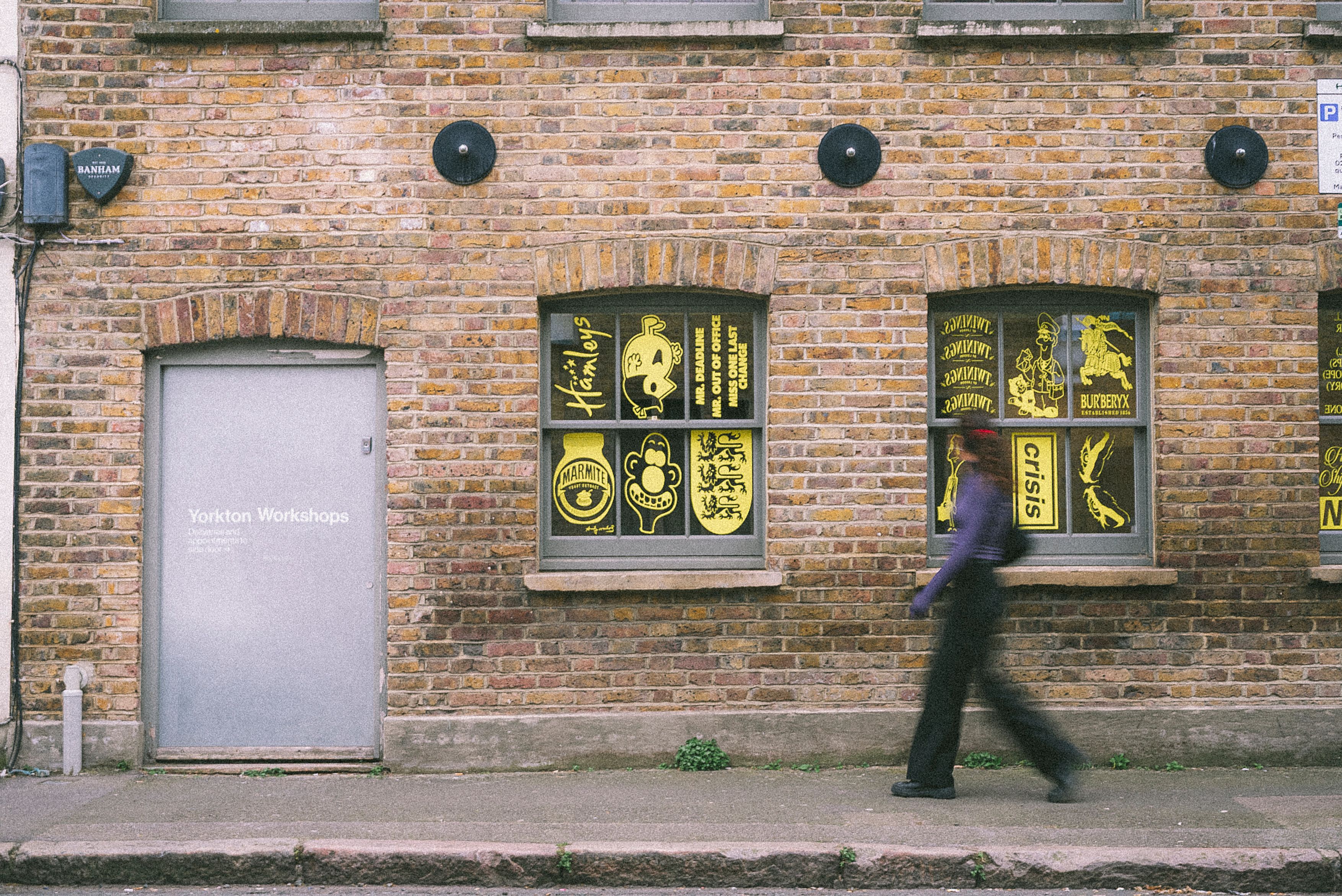
Codea is an independent creative agency founded by three college friends in Barcelona, and now also based in London. They work with brands on campaigns and experiences, and lately they’ve been making more physical things: books, printed matter, and objects.
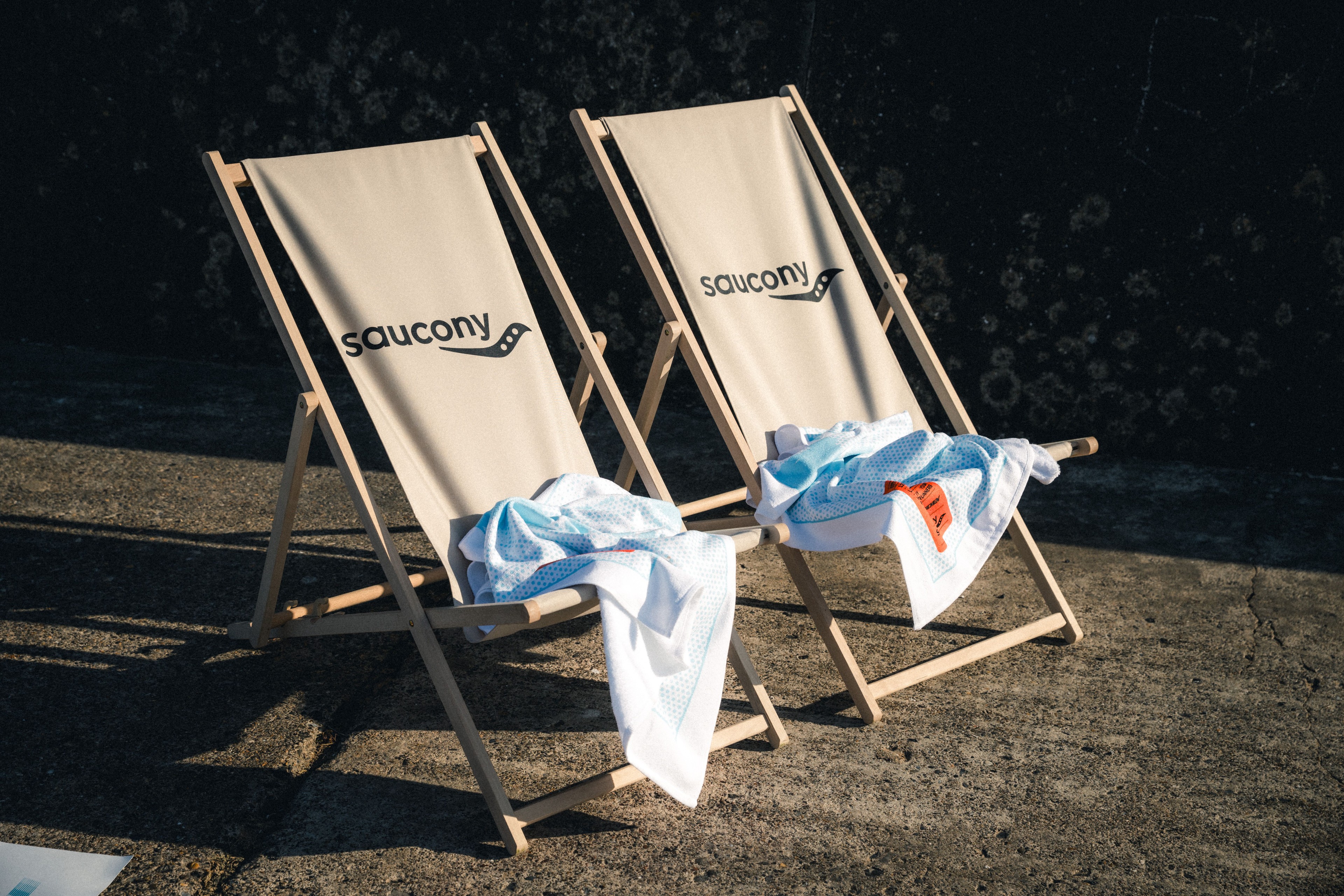
Codea likes working with brands that care about design and craft, especially in art, sports, fashion, and technology. Their own work is full of references, and they’ve borrowed from sportswear logos and British brands on purpose.
So we had a few questions. About jokes, about where homage ends and theft begins, and about what makes merch worth wearing. Ricard Sunyol, co-founder of Codea, answered them.
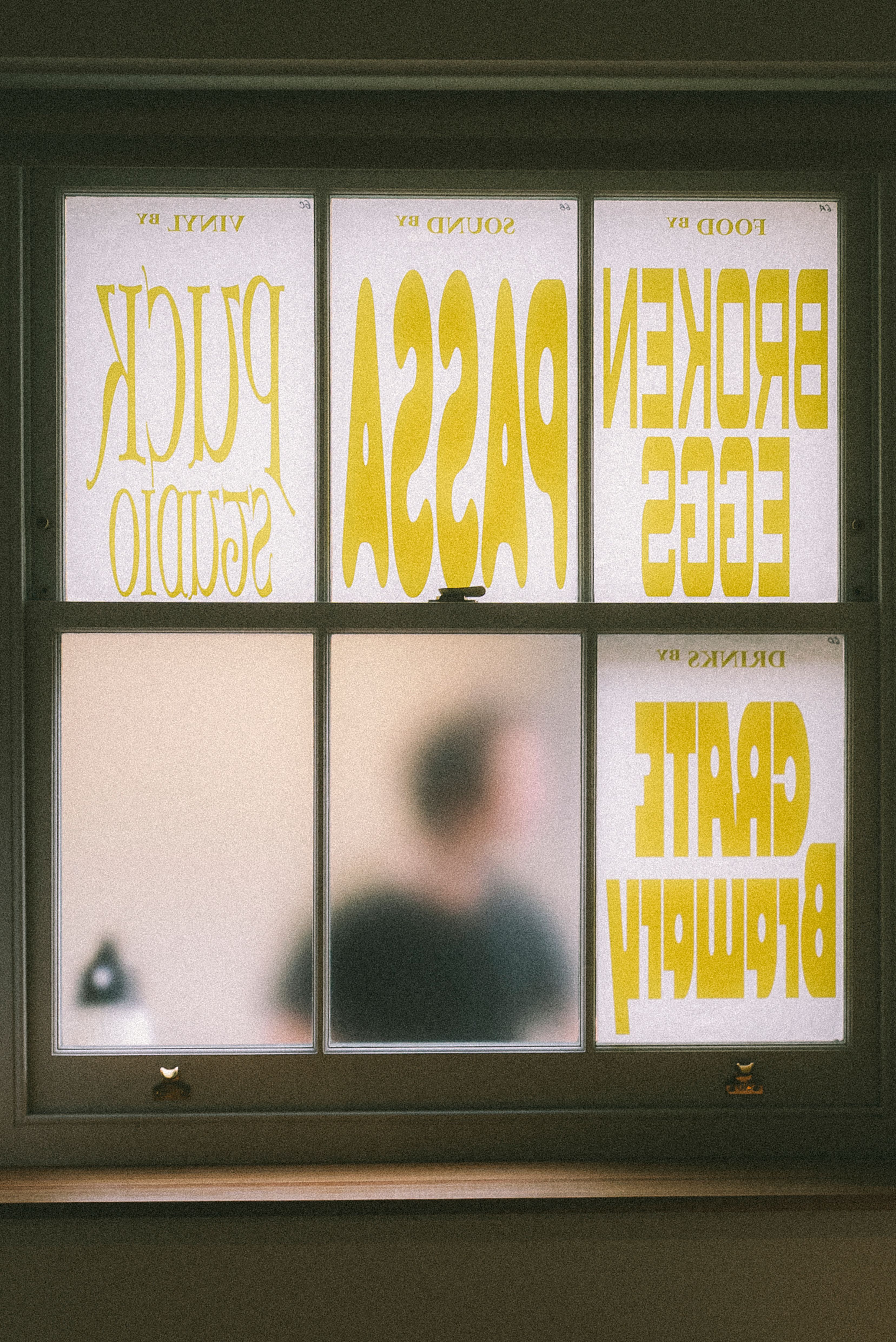
Three college friends, still in business. What did you agree on early that you’ve never had to discuss since?
We’re three very different people, with pretty distinct talents, but from day one we’ve shared a similar outlook on the world and the creative industry. A sense of humor about the seriousness and struggles of everyday life, and a slightly countercultural perspective, aware of the conventions and contradictions of the industry we work in.
Codea and the industry itself might change a lot over time, but as long as we hold on to that shared perspective, we believe we’ll continue to be good friends and partners.
Who are your ideal clients, and what’s the problem they come to you with, even if they don’t quite know how to explain it?
We love working with brands that place design and craft at the center of what they do, particularly across art, sports, fashion, and technology, where culture and lifestyle intersect.
We think many of them are facing a similar challenge, even if they don’t necessarily articulate it that way: a growing homogenization of the creative landscape. We’re all looking at the same references, using the same software, and increasingly producing the same images. What we try to help them find is a more distinctive point of view, one that feels specific to who they are and brings unexpected cultural influences into their work.
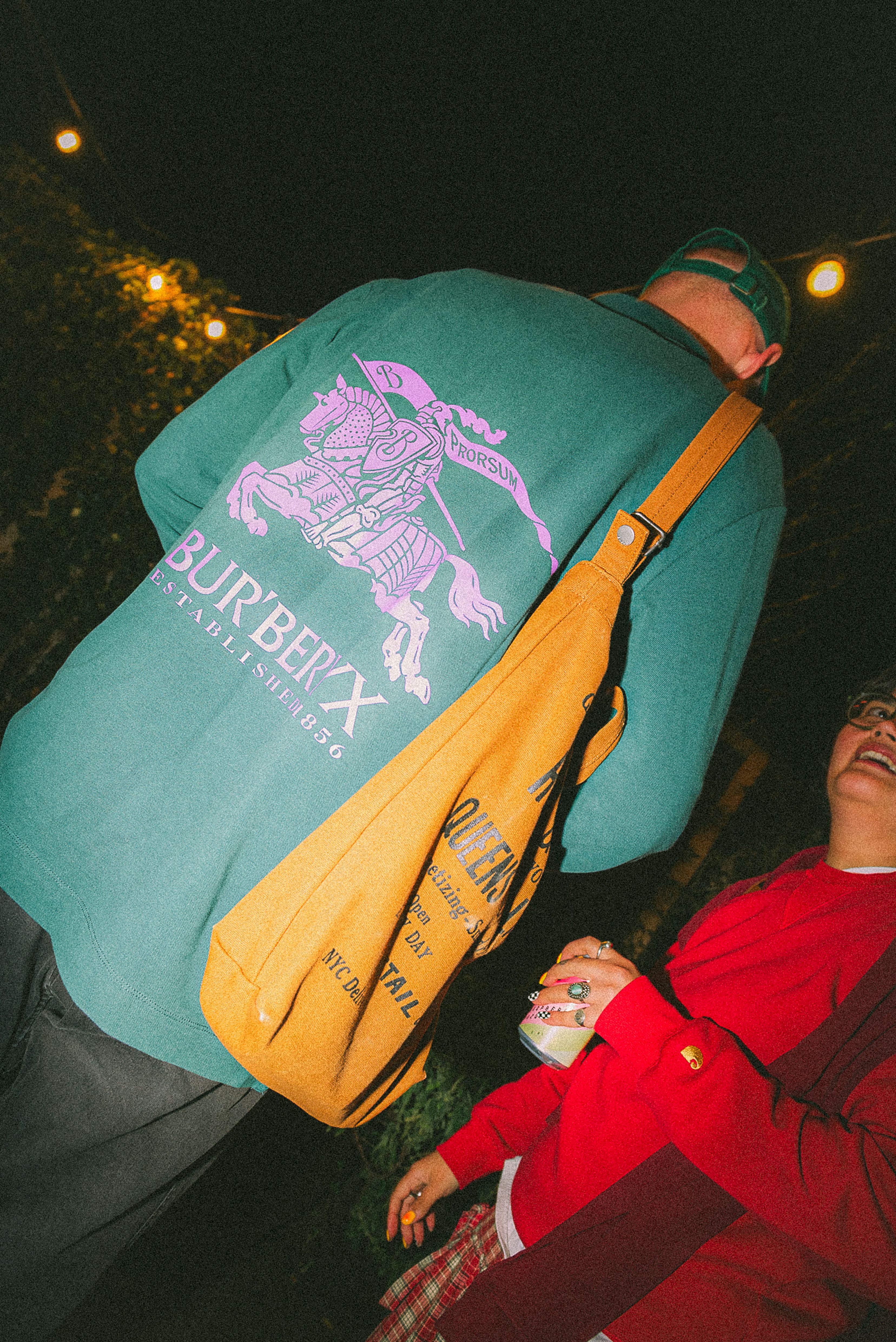
You’ve deliberately copied sportswear logos and British brands. Where’s the line between homage, joke, and theft, and have you crossed it by accident?
We think the line has a lot to do with intention and context. A joke can be a way of making fun of something, but it can also be a way of celebrating it. Sometimes the joke is the homage.
We’ve always been a little skeptical of the obsession with originality. We think there’s a certain creative ego involved in the need to claim something as entirely new, when so much of what we do is inevitably shaped by the culture around us. We’re often more interested in what you can do with an existing reference than in whether you’re the first to use it.
That said, we take our jokes pretty seriously. It’s worth asking who’s borrowing from whom, who gets the credit, and who benefits. Have we crossed the line? It’s possible. The line isn’t always that clear, and that’s part of what makes playing with references interesting.
What’s the difference between merch someone wears for the brand and merch someone wears despite it?
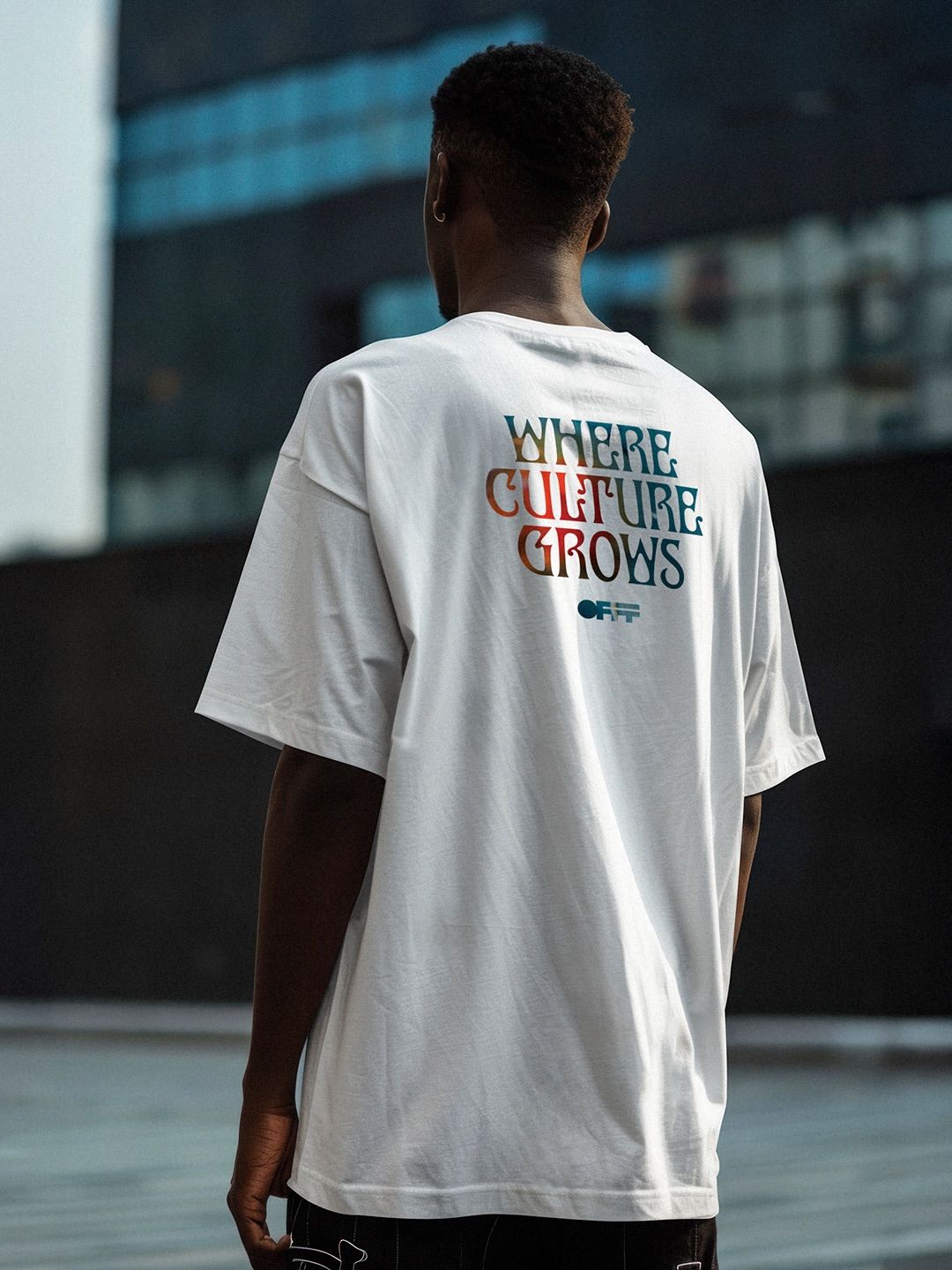
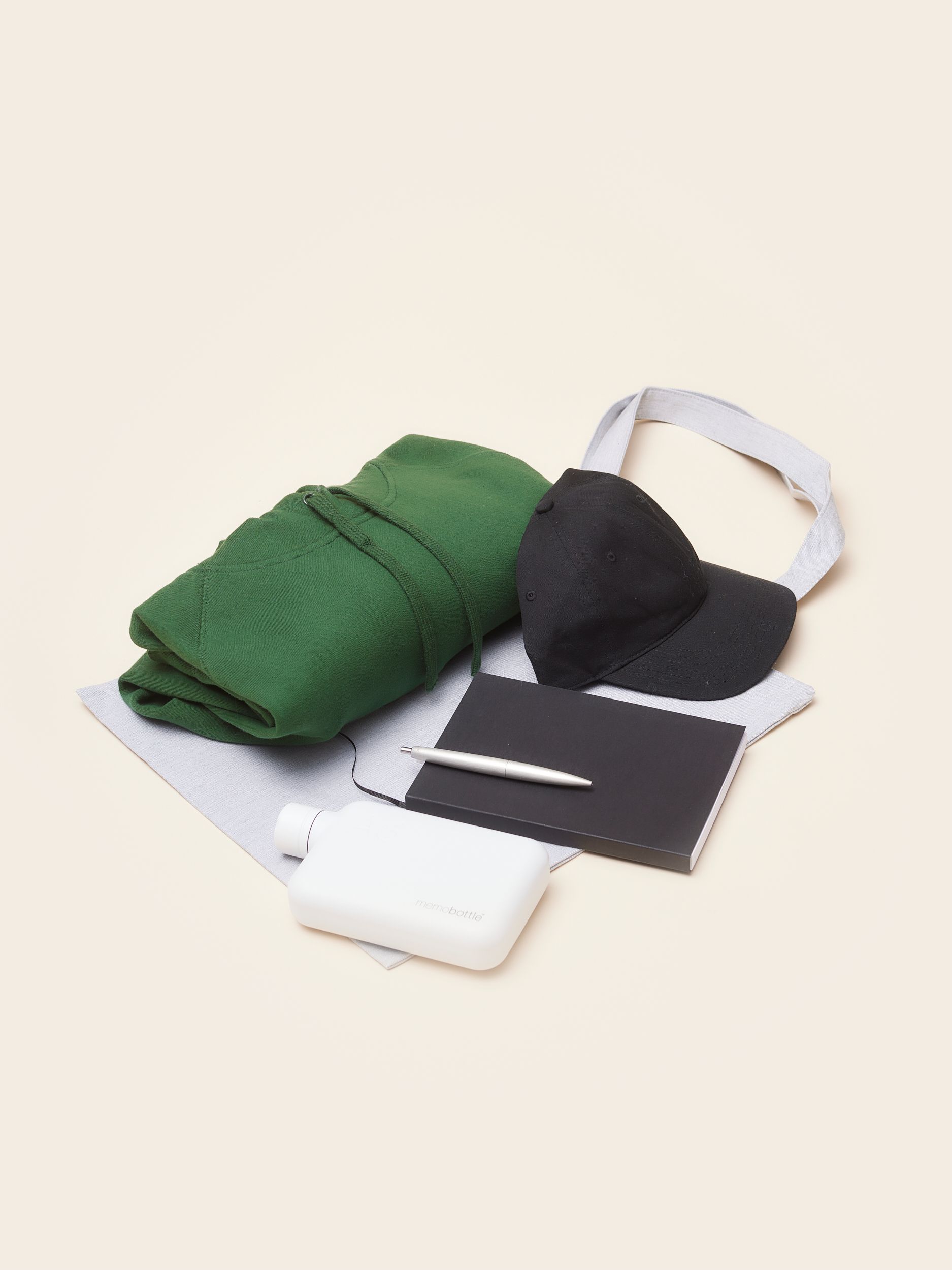
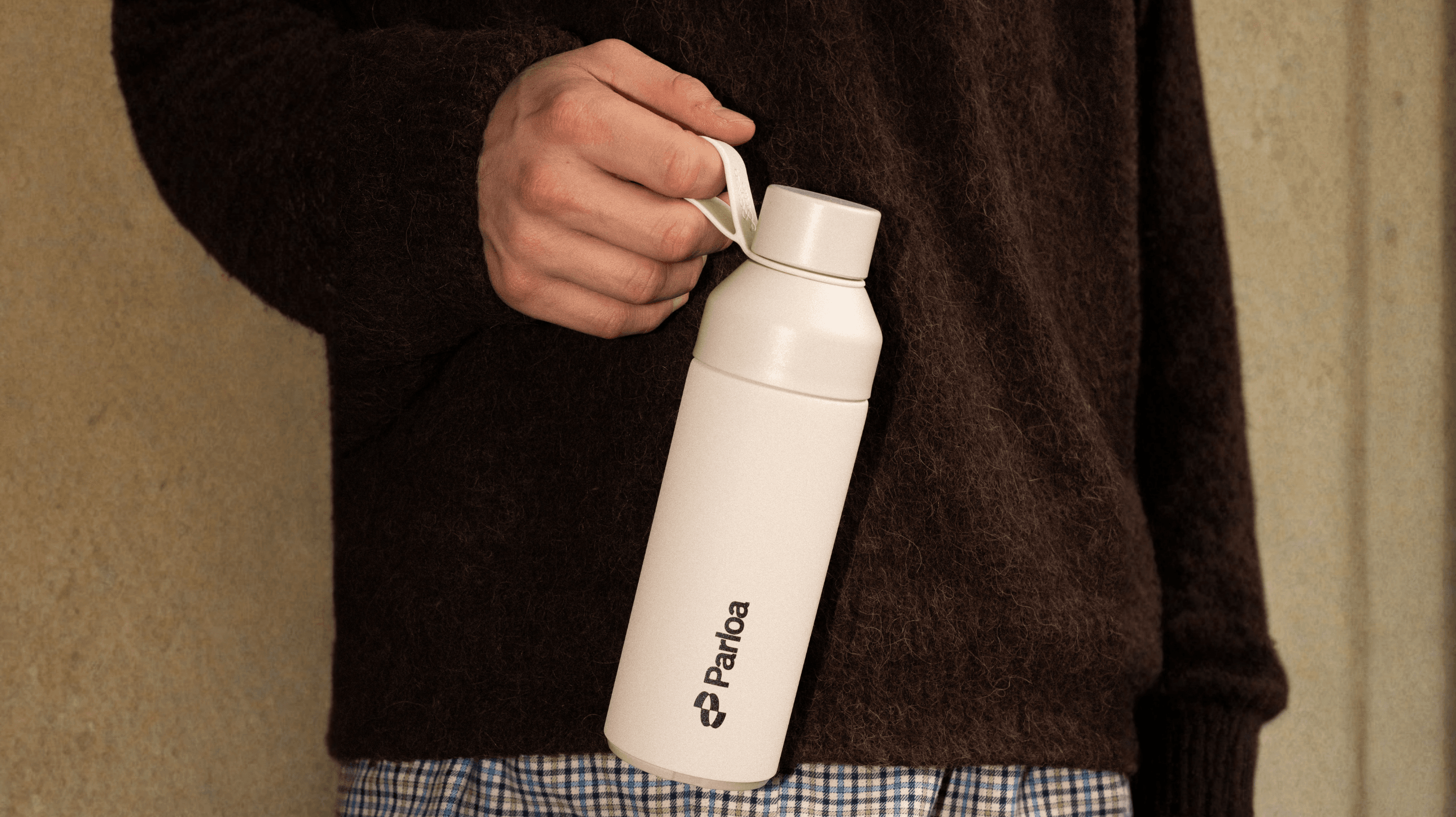
When someone wears merch for the brand, they’re often wearing what it represents: a sense of belonging, affinity, status, or nostalgia. When someone wears it despite the brand, the object has enough appeal to stand on its own, whether that’s down to its design, quality, functionality, or simply how it fits into their wardrobe.
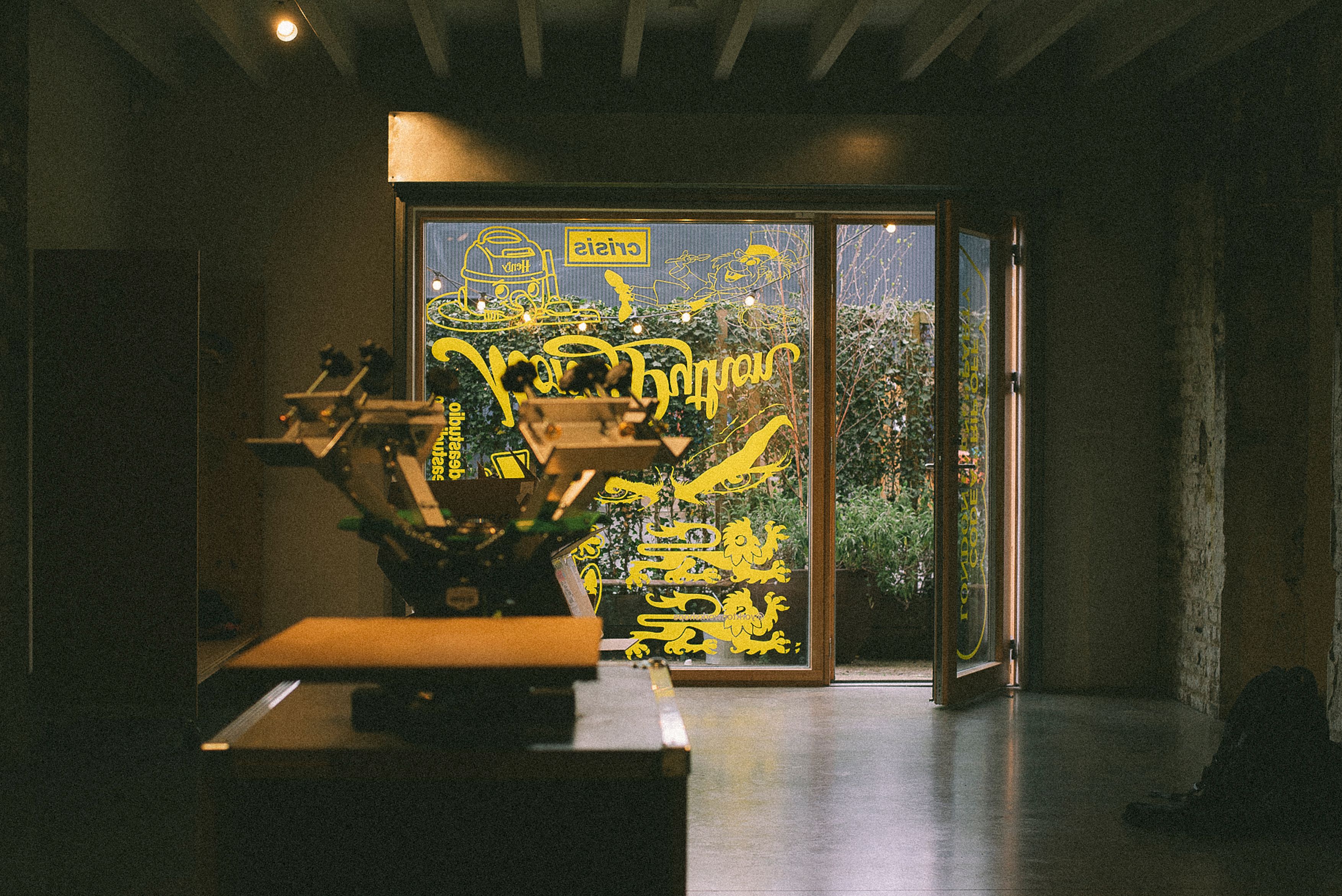
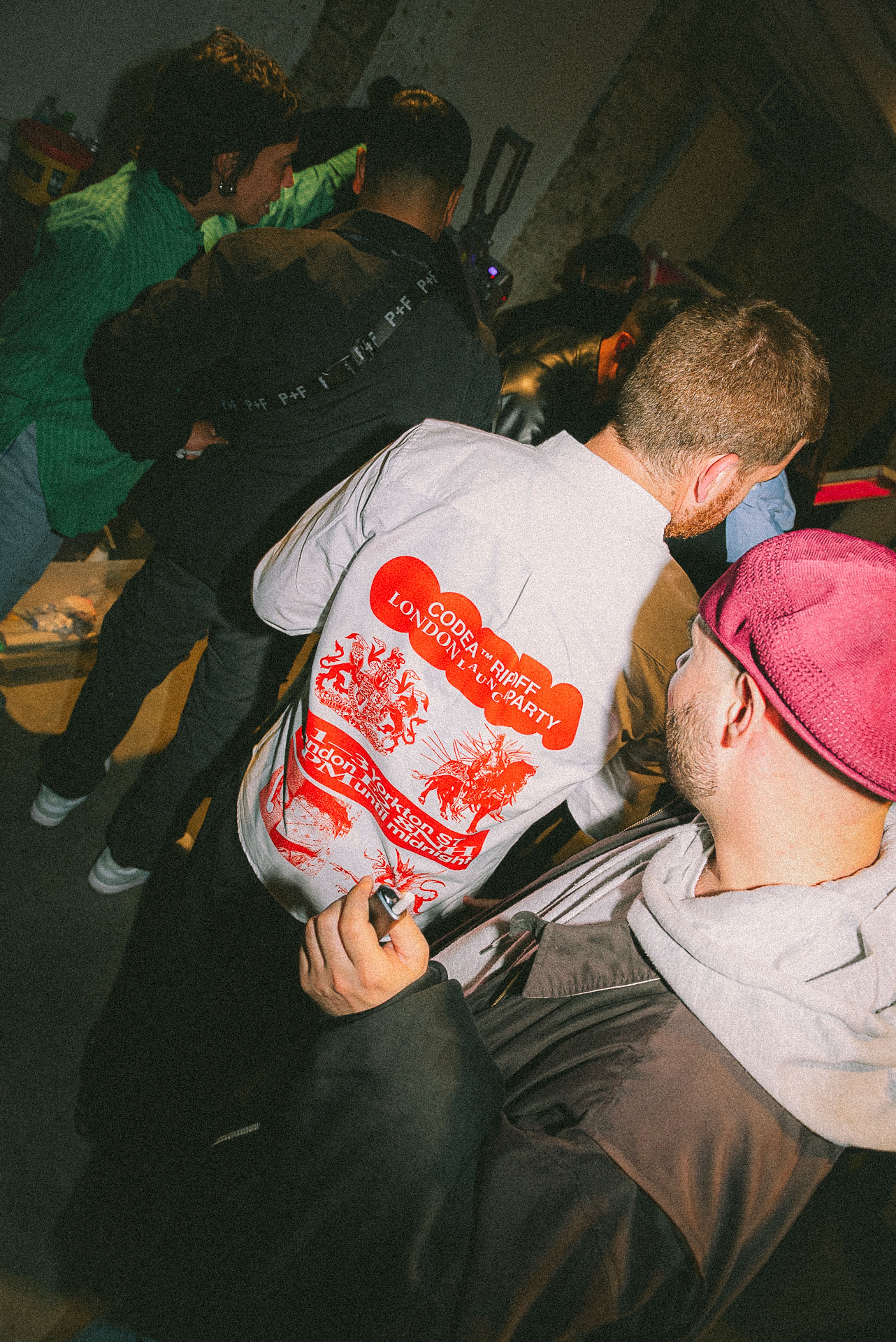
You put screen printing in the middle of a party, which can get pretty messy. What keeps you coming back to it?
We truly believe making things is good for us, and for the people around us. There’s something special about craft, about understanding how things are actually made, and appreciating the human touch and imperfections that come with it.
We’re especially interested in creating moments where people can participate in the process, make something themselves, and connect with one another.
How do you know when an idea is genuinely good, rather than just funny in the studio?
For us, humor isn’t necessarily the result we’re looking for, but a way of approaching a problem. It allows us to question conventions, expose contradictions, and challenge things that are generally accepted without much discussion. So perhaps a good idea is one that takes us somewhere unexpected, that makes us reconsider an assumption or see something from a different perspective. Not all jokes are made to make us laugh. Humor is a very serious thing, full of political resonances and aesthetic possibilities. That said, if one of our jokes makes us laugh, even better.
London is full of brands that take themselves very seriously. Which did you want to challenge first?
V&A East. Although perhaps that’s cheating, as they’re already challenging plenty of conventions themselves. There’s something exciting about an institution with such a rich history rethinking its relationship with the next generation of artists, designers, and audiences. We’d love to be part of that conversation.
What’s something you believed about running a creative studio when you started that you no longer believe?
At the beginning, we were pretty obsessed with how to define ourselves within the industry’s conventions. We kept asking ourselves whether we were a studio, a production company, or an agency. Over time, we’ve come to realize that this inability to fit neatly into any one category was actually a strength, especially as the industry has become increasingly fragmented and continues to change so rapidly. We’ve gradually learned to be several things at once without getting too anxious about it, while remaining just as curious and restless as we were when we started.
What are you itching to make that nobody has asked you to make yet?
Plenty, actually! Internal conversations have produced some fairly improbable suggestions: a LAN party, a customized car, or impossible furniture. The list is rather eclectic, and probably says something about our inability to stay within the boundaries of what a creative agency is supposed to do. We suspect the thing we’d most like to make is something we haven’t even considered yet, which makes answering this question a little difficult.